One Quarter, Two Continents: Inside the Scheduling Discipline of America's Dual-Source Promo Distributors
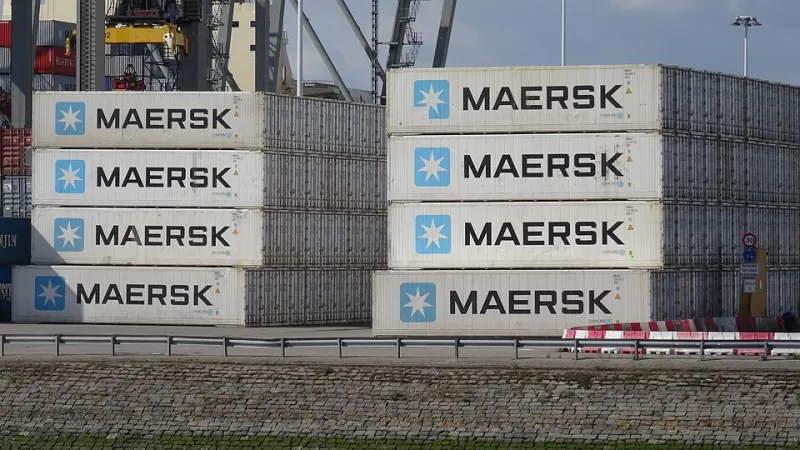
Photo: AgainErick, CC BY-SA 4.0, via Wikimedia Commons
Ask a mid-sized promotional products distributor in Dallas or Columbus where their blank apparel comes from, and you'll rarely get a single answer anymore. The more revealing question is: which continent, and in which month?
Across the American promo industry, a quiet operational discipline has taken hold. Distributors who once treated Eurasia as one undifferentiated sourcing block now run genuinely parallel strategies—European mills and equipment houses feeding premium and compliance-sensitive lines, Asian partners carrying volume and replenishment. The difference between the firms doing this well and the ones merely surviving it comes down to a calendar.
Why the Parallel Model Works
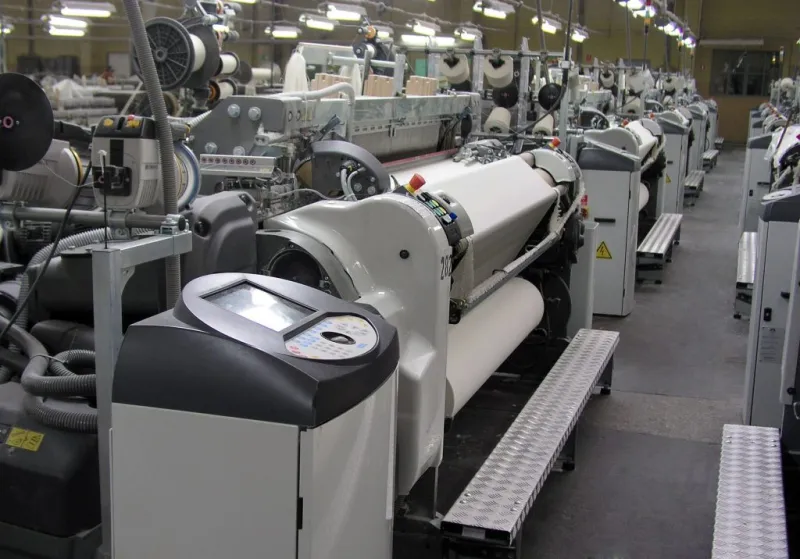
The logic is straightforward once you separate the two supply bases by what they're actually good at. European suppliers—whether textile converters in Portugal and Türkiye or press manufacturers in Germany and Italy—tend to win on certifications, short-run flexibility, and speed to market for decorated goods destined for corporate clients with ESG reporting requirements. Asian partners still dominate on unit cost at scale.
Running both means a distributor can quote a 5,000-piece organic cotton program with GOTS paperwork attached, while simultaneously filling a 50,000-unit poly-blend order at a price point the European side can't touch. Neither pipeline cannibalizes the other. The failure mode isn't strategic; it's logistical. Orders collide, cash flow lurches, and freight bookings made in a panic erase the margin the dual model was supposed to protect.
The Expo Calendars Set the Rhythm
Savvy operators have learned to anchor their buying year to the two show circuits rather than to customer deadlines. The European and Eurasian calendar clusters heavily in spring—FESPA events, Istanbul's textile and advertising fairs, the Italian and German machinery shows—while the Asian circuit peaks in autumn, with Canton Fair and its satellite exhibitions drawing the volume buyers.
That spacing is a gift. A distributor can walk Istanbul in April, lock European pricing and specs while samples are fresh, then carry that benchmark into Guangzhou or Shanghai in October and negotiate volume accordingly. Buyers who try to compress both trips into a single quarter report exactly what you'd expect: blurred notes, conflicting quotes, and vendor relationships that never deepen past the email thread.
A Month-by-Month Sourcing Calendar to Adapt
Here is the template several dual-source distributors described to us, adjusted for a US fiscal year:
- January–February: Internal demand forecasting. Segment last year's orders into compliance-sensitive, premium, and price-driven tiers. This determines the continent split before any conversations begin.
- March: Pre-show outreach. Book meetings with Eurasian exhibitors in advance; the best Istanbul and Milan booths are fully scheduled before doors open.
- April–May: The European swing. Attend the spring expos, collect samples, negotiate annual pricing with EU and Türkiye suppliers, and place first-half POs while show pricing holds.
- June–July: Logistics consolidation. Book sea freight for European orders before peak season surcharges hit. Audit the Asian pipeline remotely—reorder what's running, renegotiate what isn't.
- August: Asian pre-show prep. Finalize the spec sheets and target prices you'll carry into the autumn fairs.
- September–October: The Asian swing. Volume ordering, tooling commitments, and next-year capacity reservations.
- November–December: Reconciliation. True up landed costs against quotes on both continents, and let the variance data decide next year's split.
The Logistics Tricks That Hold It Together
The operators who sustain this model share three habits. First, they consolidate freight by continent, not by client—full containers out of Mersin and Genoa, mixed containers out of Ningbo—rather than chasing per-order LCL bookings. Second, they maintain a 60-day overlap buffer: no order is placed on one continent until the equivalent goods from the other are confirmed in production. Third, they keep duty and customs classification current on both sides of the ledger, because the tariff picture for Turkish textiles and Chinese promo goods diverges enough to swing vendor selection on its own.
None of this is glamorous. It is, however, the difference between a two-continent strategy and a two-continent headache—and the distributors who've mastered the calendar are quietly winning quotes their single-source competitors can't touch.